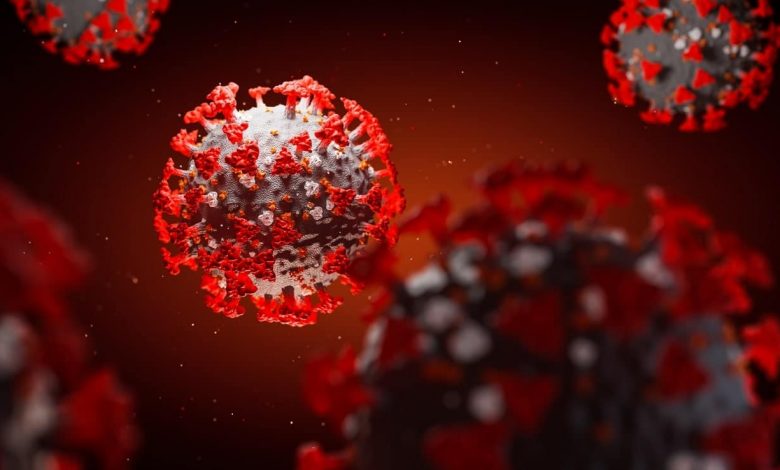
The numerous studies published on the dynamics of the SARS-CoV-2 coronavirus and its effects on the body have shown that it is an extremely complex virus with multiple impacts. Being able to simultaneously affect the lungs, the heart or the brain, SARS-CoV-2 has profound consequences on the body. And recently, researchers found another example of this, showing that the virus’s spike protein can modify pericytes, cells lining small blood vessels in the heart and in other organs.
Researchers have found a disturbing link between certain heart cells and the spike protein from SARS-CoV-2, the virus that causes COVID-19. The spike protein appears to modify cells in the small blood vessels around the heart, disrupting their normal function.
The preprint study, which means it has not yet been peer reviewed, was presented at the European Society of Cardiology congress and shows that the spike protein binds to cells called pericytes. These cells line the small vessels of the heart as well as other areas and organs of the human body. When binding occurs, the pericytes begin to release chemicals that cause inflammation in the organ.

In the study, the team took cells from small vessels in the heart and exposed them to the spike protein. The protein is used by the virus to attach itself to cells. Once the virus’s position is secured, the virus fuses with the cell membrane, releasing its genetic material. This hijacks the cellular machinery, which begins to replicate the virus, which then bursts and spreads to other cells.
A mechanism with significant clinical consequences
If the spike protein alone is capable of affecting the behavior of cells, that’s worrisome. This suggests that even cells that are not infected can be damaged by the virus, making it more difficult to treat. The team found that by blocking the CD147 receptor on these cells, they reduced the effect of the spike protein on the pericytes, although there was still inflammation.

Pericytes are found throughout the body, including the brain and the central nervous system. If the mechanism can be stopped in patients, it could reduce the complication resulting from COVID, and further investigation could produce better ways to neutralize the spike protein.
” This mechanism has the potential to spread cellular and organ damage beyond sites of infection and may have important clinical implications. For example, in patients with disrupted endothelial barrier and increased vascular permeability due to underlying diseases, such as hypertension, diabetes, and severe obesity, protein S molecules could easily spread to the PC compartment. and cause or worsen microvascular damage », Explain the authors.
Towards more effective therapeutic tools
” Blocking the CD147 receptor may help protect the vascular system of the most vulnerable patients from infection and collateral damage caused by S protein “. There are many uncertainties about the most effective ways to treat COVID-19; for this reason, prophylactic approaches such as vaccination, social distancing and masks, remain paramount. The immediate and long-term effects of the virus on many organs are still not fully understood.
” COVID has presented an unprecedented challenge to the cardiovascular research community. There is still a lot of unknown things about how the virus can affect our long-term health, but this research gives us a better understanding of how it affects the heart and circulatory system and may ultimately lead to new therapeutic pathways to protect the heart », Concludes James Leiper, associate medical director of the British Heart Foundation.